Behind the Pattern

How PDF Sewing Patterns Are Made — and Why It Matters

They arrive in your inbox like magic: a few digital files, a quick download, and voilà — you’re ready to print, tape, and sew your next handmade masterpiece. PDF sewing patterns have revolutionized the home sewing world, offering instant access to thousands of garment designs at the click of a button. But behind every tidy line and carefully labeled size lies a surprisingly complex process — one that blends technical drafting, digital tools, and design intuition.
Understanding how PDF patterns are made isn’t just a curiosity — it’s a key to appreciating the craft, value, and work behind the files we so often take for granted.

From Sketch to Stitch: The Birth of a Pattern

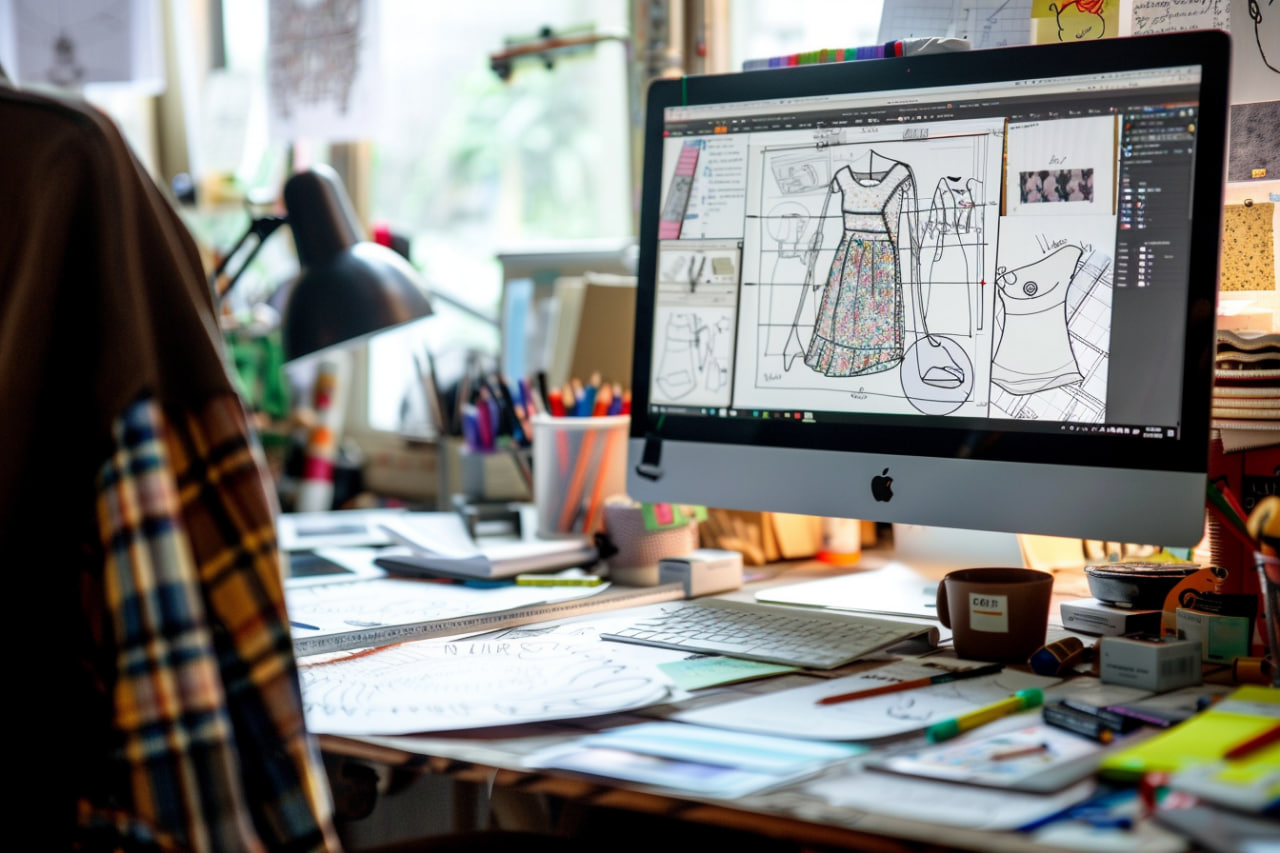
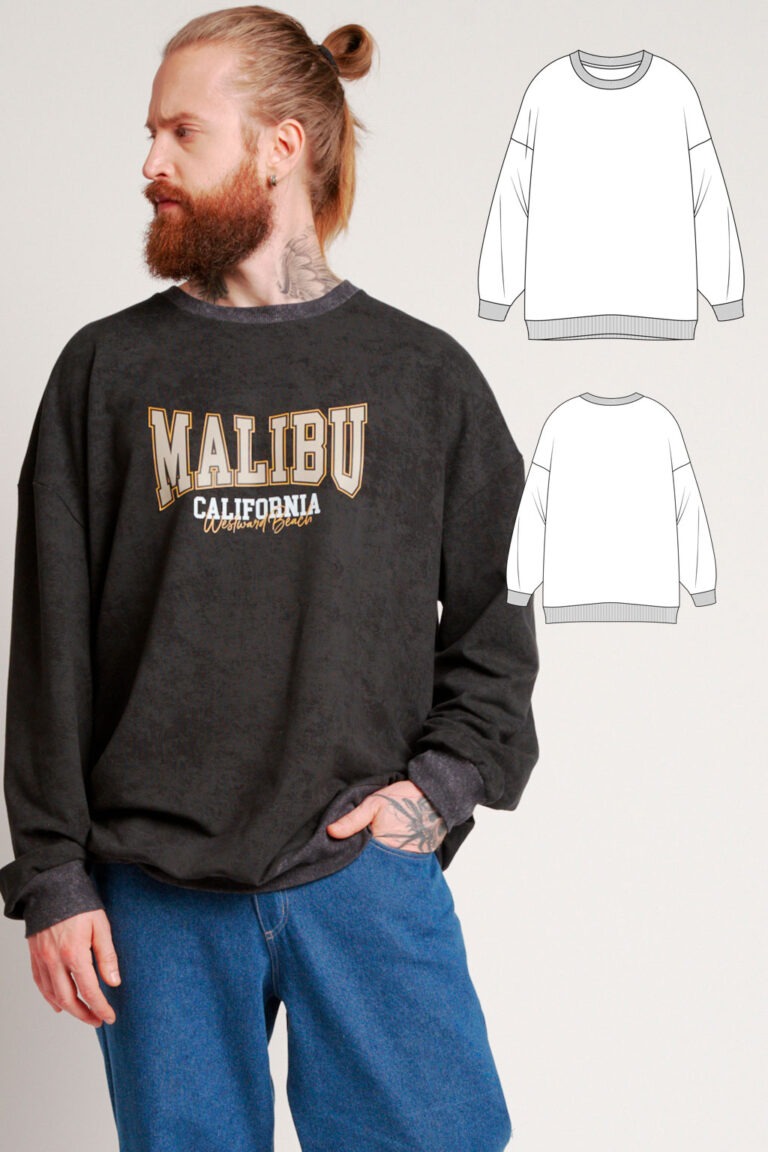
Every PDF sewing pattern begins with an idea. Sometimes it’s a response to a wardrobe need — “What if there was a dress with adjustable sleeves and a hidden pocket?” — and sometimes it’s an answer to a design trend. But before anything is drafted, most pattern designers start with a sketch, or a “flat,” that outlines the garment’s silhouette and key details.
From there, the process becomes more technical.
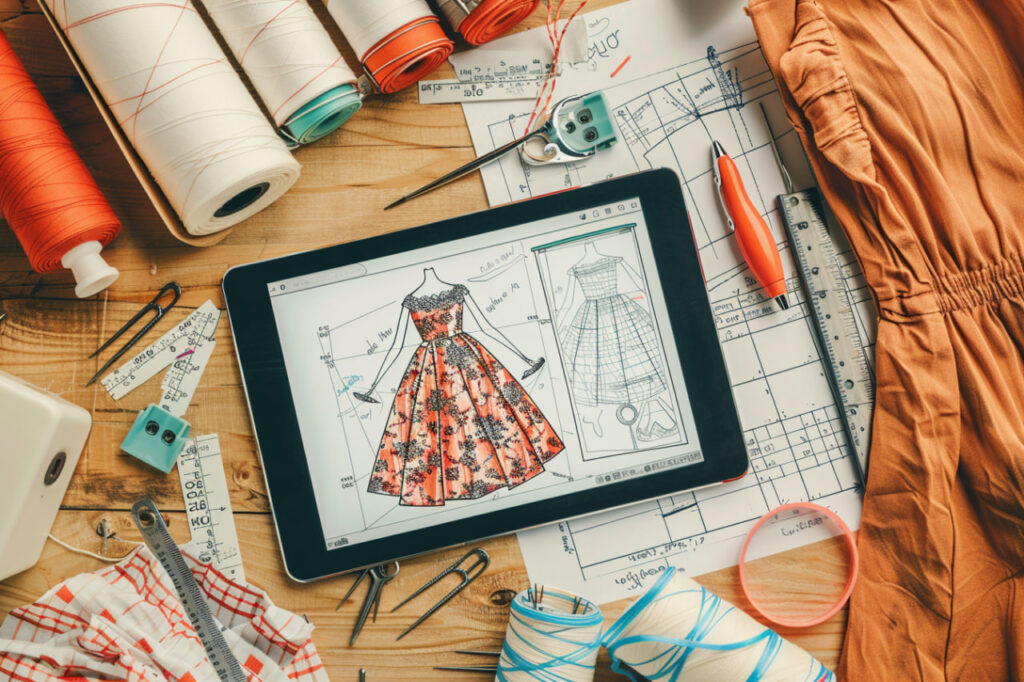
Designers draft the base pattern using software such as Adobe Illustrator, CorelDRAW, or more specialized programs like CLO, Valentina, or Optitex. These programs allow precise control over shapes, curves, measurements, and grading (the process of scaling a pattern to multiple sizes).
At this stage, the pattern isn’t yet beautiful — it’s functional. Accuracy matters more than aesthetics. Seam allowances, notches, darts, and grainlines are all meticulously added. Then, the grading process begins — one of the most critical and time-consuming parts of digital pattern creation. Each size must reflect not just mathematical increments, but real body proportions. Done poorly, grading can make a pattern unusable. Done well, it allows a diverse range of sewists to achieve great fit.

Layout and Instructions: More Than Just a Diagram

Once the core pattern is built and graded, the designer moves on to creating the print layout — the part you download and print at home. This means dividing the full-size pattern into tileable sections that fit standard printer paper (usually US Letter or A4), while ensuring every line matches up when taped together.
This might seem simple, but optimizing tile layouts is a puzzle. Designers strive to reduce the number of pages while maintaining clarity and avoiding overlap confusion. Larger companies often include A0 files (for copy shop printing) and projector-friendly files, which are becoming popular among tech-savvy sewists.
But a pattern is only half the experience. Clear, detailed instructions are what separate a beginner-friendly pattern from a frustrating one. Designers create tutorials—often with illustrations, photos, or diagrams—to guide sewists through each step. These guides require excellent communication skills, an eye for teaching, and careful testing.

Testing, Revisions, and the Human Touch

No pattern is complete without pattern testing. Designers often enlist a team of volunteer or paid testers to sew the pattern in various sizes and fabric types, reporting any issues with fit, clarity, or construction.

Testers provide feedback on:
Confusing steps in instructions
Sizing accuracy
Notch placement
Printing and tiling errors
Overall garment success

Based on this feedback, designers make revisions, adjust sizing, clarify steps, and correct formatting. Only after this final round does a PDF pattern become ready for sale. For many indie designers, this process takes weeks — or even months. And unlike mass-produced paper patterns, PDF designers often work solo or in very small teams, juggling design with customer service, social media, marketing, and updates.

Why This Matters to You, the Sewist

Understanding how PDF sewing patterns are made changes how we value them. It explains why a $10–$14 pattern is not “just a file.” It’s the product of:
Skilled drafting and technical grading
Visual design and layout
Clear, tested instructions
Creative labor, often done independently

It also helps you become a better sewist. Knowing what goes into creating pattern pieces and instructions can improve your troubleshooting, boost your confidence when making adjustments, and inspire more informed fabric and fit choices. And for those dreaming of launching their own sewing patterns someday, it demystifies the process and shows that creativity and digital tools can go hand in hand.

The Future of Patterns Is Digital — and Personal

PDF patterns aren’t just convenient — they’re also a sign of sewing’s new era: accessible, independent, inclusive, and constantly evolving. They allow designers from around the world to share their ideas directly with sewists everywhere, building a global creative community one download at a time. So the next time you print and tape a pattern together, pause for a moment. Behind those lines is a carefully crafted blueprint — not just for a garment, but for connection, creativity, and skill.

Want some more? Here...

Press to Impress

The Ironing Trick That Instantly Upgrades Your Sewing
There’s a silent hero in every well-sewn garment, and it’s not the machine, the fabric, or even the hands that stitched it. It’s the iron. While it may seem mundane compared to the thrill of cutting fabric or the satisfaction of topstitching, pressing is one of the most powerful tools in your sewing arsenal. And yet,it’s often skipped or rushed, especially by beginners eager to see a project come together.

Read more

Pajamas as Outerwear

Pajamas as Outerwear: The Rise of Relaxed Luxury in Fashion

Pajamas have long been associated with comfort, relaxation, and bedtime rituals.

Read more